Identify what material an eraser is made from
using AI
Below is a free classifier to identify what material an eraser is made from. Just upload your image, and our AI will predict what material an eraser is made from - in just seconds.
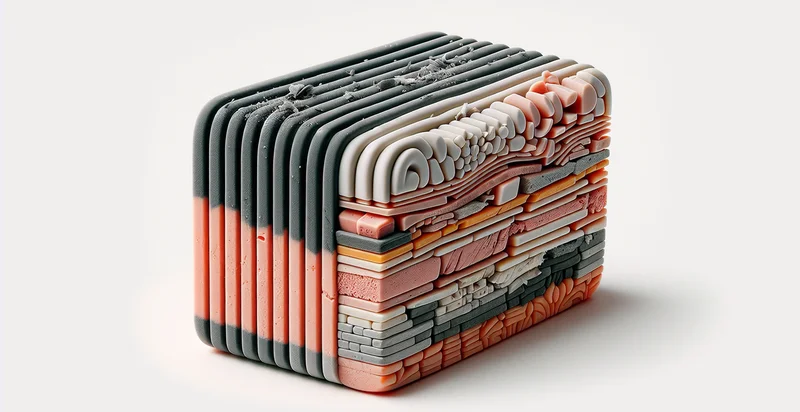
Create a free account to:
Get instant API credentials
Start calling the API immediately with your own keys
Track accuracy on your data
See real-time performance metrics and understand how well the model works for your specific use case
Discover better models for your data
Get recommendations for specialist models trained on your examples that are more accurate and cost-effective
How this classifier works
To start, upload your image. Our AI tool will then predict what material an eraser is made from.
This pretrained image model uses a Nyckel-created dataset and has 15 labels, including Eva, Felt, Foam, Latex, Melamine, Natural Rubber, Plastic, Polyethylene, Polypropylene and Polyurethane.
We'll also show a confidence score (the higher the number, the more confident the AI model is around what material an eraser is made from).
Whether you're just curious or building what material an eraser is made from detection into your application, we hope our classifier proves helpful.
Related Classifiers


Need to identify what material an eraser is made from at scale?
Get API or Zapier access to this classifier for free. It's perfect for:
- Quality Control in Manufacturing: This function can be utilized in manufacturing plants to ensure that only the correct materials are used for producing erasers. By automatically classifying the material during the production process, manufacturers can reduce waste and improve product consistency.
- Material Recycling Identification: Recycling facilities can implement this function to accurately identify the materials of discarded erasers. This allows for better sorting and recycling efforts, ensuring that materials are reused efficiently and effectively.
- Product Development and R&D: Research and development teams in stationery companies can use this classification function to assess the properties of various eraser materials. This data can lead to the development of innovative erasers that combine desirable characteristics, such as durability and ease of use.
- Educational Purposes: Schools and educational institutions can use this function in science experiments that teach students about different materials and their properties. Hands-on projects can help students learn about material identification and classification in a practical setting.
- Consumer Product Testing: Consumer advocacy organizations can leverage this function to test and compare different eraser brands based on material composition. This information would empower consumers to make informed choices based on quality, safety, and environmental impact.
- Inventory Management Systems: Retailers can integrate this classification function into their inventory management systems to track the types of erasers in stock. By knowing the materials of each product, they can optimize their inventory for better sales and customer satisfaction.
- Compliance with Safety Standards: Companies can use this function to ensure that their eraser products comply with safety standards pertaining to material use. Identifying materials accurately can help avoid harmful substances and promote safer consumer products.