Identify scene crowd density
using AI
Below is a free classifier to identify scene crowd density. Just upload your image, and our AI will predict the crowd density in various scenes - in just seconds.
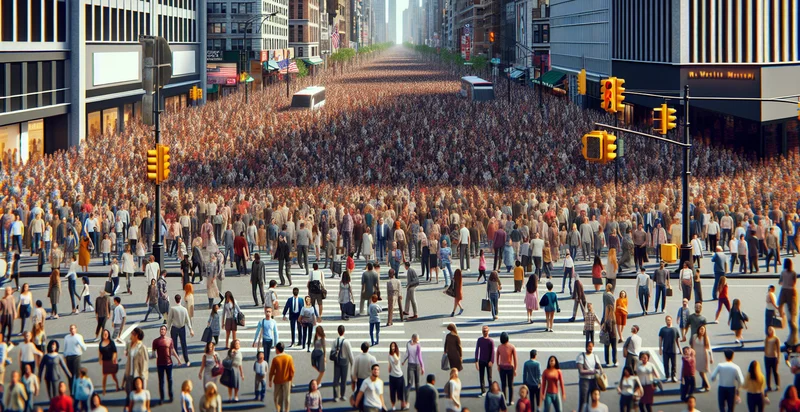
Create a free account to:
Get instant API credentials
Start calling the API immediately with your own keys
Track accuracy on your data
See real-time performance metrics and understand how well the model works for your specific use case
Discover better models for your data
Get recommendations for specialist models trained on your examples that are more accurate and cost-effective
How this classifier works
To start, upload your image. Our AI tool will then predict the crowd density in various scenes.
This pretrained image model uses a Nyckel-created dataset and has 6 labels, including Crowded, Empty, Moderate, Overcrowded, Sparse and Very Crowded.
We'll also show a confidence score (the higher the number, the more confident the AI model is around the crowd density in various scenes).
Whether you're just curious or building scene crowd density detection into your application, we hope our classifier proves helpful.
Related Classifiers
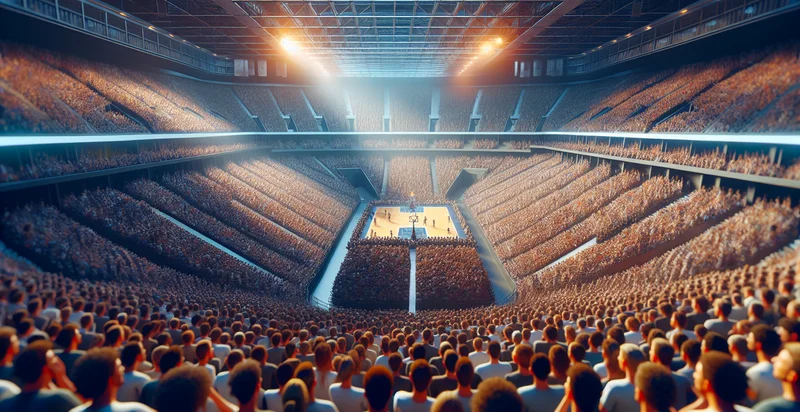
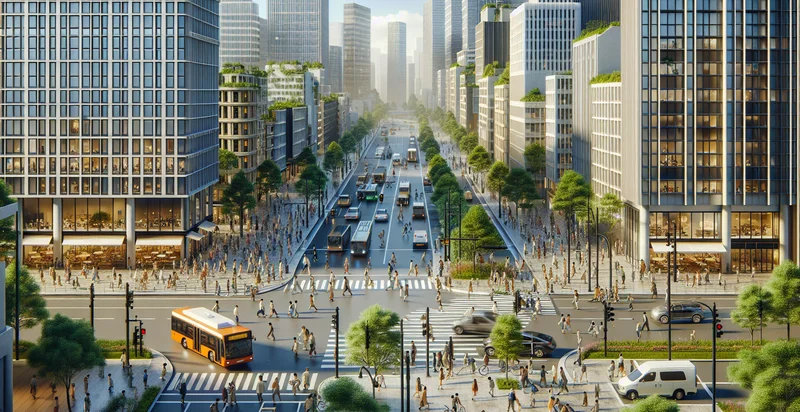
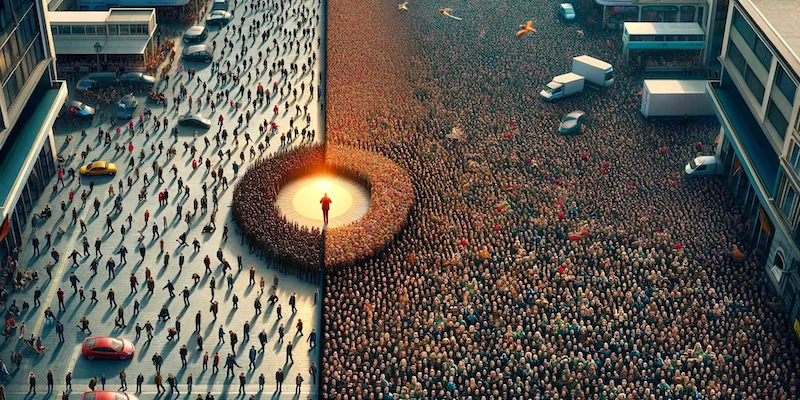
Need to identify scene crowd density at scale?
Get API or Zapier access to this classifier for free. It's perfect for:
- Event Management: The scene crowd density identifier can assist event organizers in managing crowd flows at large gatherings, such as concerts or festivals. By analyzing real-time data on crowd density, organizers can make informed decisions on crowd control, enhance safety measures, and allocate resources more effectively.
- Public Safety Monitoring: Law enforcement agencies can utilize this function to monitor crowd density in public spaces and detect potential risks of overcrowding or dangerous situations. This capability can enhance rapid response measures and improve overall public safety during events or in high-traffic areas.
- Urban Planning: City planners can leverage crowd density data to inform infrastructure development and zoning regulations. Understanding how crowd dynamics vary in different urban areas can guide decisions about transportation, public spaces, and resource allocation for better urban management.
- Retail Analytics: Retailers can employ the crowd density identifier to analyze customer traffic patterns within stores. By understanding peak shopping times and customer density, they can optimize staff scheduling, improve customer service, and enhance the overall shopping experience.
- Smart Transportation Systems: This function can be integrated into smart transportation systems to help manage public transit during peak hours. By analyzing crowd density at bus or train stations, transit authorities can adjust schedules and increase frequency to accommodate demand, leading to a more efficient transportation network.
- Tourism Management: Tourist destinations can use crowd density analysis to manage visitor flows and prevent overcrowding at key attractions. This information can enhance visitor experiences, promote lesser-known sites, and support sustainable tourism practices by distributing foot traffic more evenly.
- Healthcare Facility Planning: Hospitals and healthcare providers can utilize crowd density data to improve patient flow management in emergency departments. By monitoring crowd levels, they can better allocate medical staff, streamline patient admissions, and enhance the overall quality of care during peak times.