Identify radio transcript sentiment
using AI
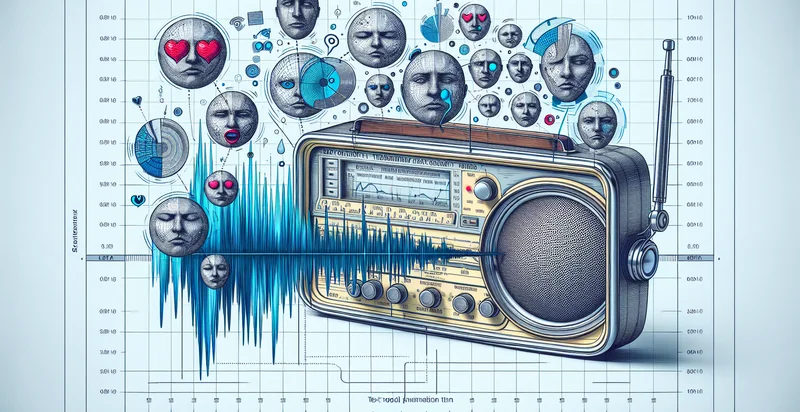
Below is a free classifier to identify radio transcript sentiment. Just input your text, and our AI will predict the sentiment of radio transcripts - in just seconds.
Create a free account to:
Get instant API credentials
Start calling the API immediately with your own keys
Track accuracy on your data
See real-time performance metrics and understand how well the model works for your specific use case
Discover better models for your data
Get recommendations for specialist models trained on your examples that are more accurate and cost-effective
How this classifier works
To start, input the text that you'd like analyzed. Our AI tool will then predict the sentiment of radio transcripts.
This pretrained text model uses a Nyckel-created dataset and has 20 labels, including Apprehensive, Confident, Critical, Disappointed, Discouraged, Dissatisfied, Encouraging, Enthusiastic, Frustrated and Hopeful.
We'll also show a confidence score (the higher the number, the more confident the AI model is around the sentiment of radio transcripts).
Whether you're just curious or building radio transcript sentiment detection into your application, we hope our classifier proves helpful.
Related Classifiers


Need to identify radio transcript sentiment at scale?
Get API or Zapier access to this classifier for free. It's perfect for:
- Customer Service Improvement: This function can analyze radio transcripts from customer service calls to gauge overall sentiment. By identifying negative sentiments, businesses can proactively address issues and improve customer satisfaction.
- Marketing Campaign Analysis: Companies can utilize the sentiment identifier to evaluate audience reactions during radio marketing campaigns. Analyzing positive and negative sentiments helps refine messaging strategies and target demographics more effectively.
- Brand Reputation Monitoring: Businesses can monitor radio transcripts for sentiment associated with their brand mentions. Identifying trends in sentiment over time allows companies to react swiftly to negative publicity or capitalize on positive reception.
- Crisis Management: In times of crisis, organizations can use the sentiment analyzer to swiftly assess public reaction on radio broadcasts. This enables them to address concerns or misinformation quickly, helping to manage their reputation.
- Audience Engagement Tracking: By analyzing sentiment in radio talk shows or listener calls, stations can understand which topics resonate positively with audiences. This feedback can guide content creation and host performance improvements.
- Competitor Analysis: Organizations can identify sentiment around competitors by analyzing relevant radio transcripts. This insight helps businesses understand market perception and informs strategic positioning against competitors.
- Political Campaign Strategy: Political operatives can use sentiment analysis of radio coverage and public calls to adapt campaign strategies. Understanding voter sentiment allows for targeted messaging and addressing community concerns effectively.