Identify middle eastern pattern
using AI
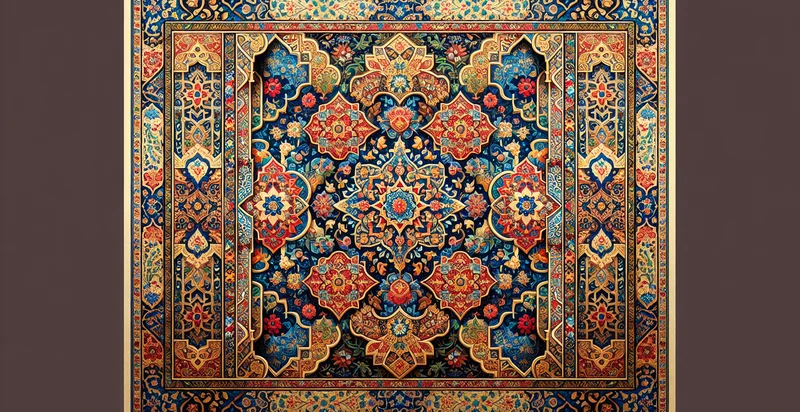
Below is a free classifier to identify middle eastern pattern. Just upload your image, and our AI will predict the type of Middle Eastern pattern it depicts - in just seconds.
Create a free account to:
Get instant API credentials
Start calling the API immediately with your own keys
Track accuracy on your data
See real-time performance metrics and understand how well the model works for your specific use case
Discover better models for your data
Get recommendations for specialist models trained on your examples that are more accurate and cost-effective
How this classifier works
To start, upload your image. Our AI tool will then predict the type of Middle Eastern pattern it depicts.
This pretrained image model uses a Nyckel-created dataset and has 20 labels, including Alhambra Design, Arabesque, Arabic Calligraphy, Baghdad Textile, Byzantine Pattern, Cairo Style, Damask Pattern, Egyptian, Islamic Geometric and Kufic Script.
We'll also show a confidence score (the higher the number, the more confident the AI model is around the type of Middle Eastern pattern it depicts).
Whether you're just curious or building middle eastern pattern detection into your application, we hope our classifier proves helpful.
Related Classifiers

Need to identify middle eastern pattern at scale?
Get API or Zapier access to this classifier for free. It's perfect for:
- Cultural Heritage Preservation: The 'middle eastern pattern' identifier can help museums and cultural institutions catalog and digitally preserve artifacts by accurately classifying patterns found in textiles, pottery, and manuscripts. This enables better organization of historical collections and promotes cross-cultural education.
- Fashion Industry Trend Analysis: Fashion designers can use this function to identify and analyze Middle Eastern patterns in textiles, allowing them to draw inspiration from traditional designs while creating modern collections. This analysis can enhance their product offerings and resonate with consumers looking for culturally inspired fashion.
- E-commerce Optimization: E-commerce platforms can implement the identifier to classify products featuring Middle Eastern designs, improving the accuracy of search results, and making it easier for customers to find specific patterns they are interested in. This can enhance the user experience and boost sales by connecting consumers with relevant products more effectively.
- Automated Content Moderation: Social media platforms can utilize this function to identify and filter images that feature Middle Eastern patterns, ensuring that user-generated content aligns with community guidelines and cultural sensitivity measures. This can help prevent the spread of potentially offensive or misinterpreted material.
- Art and Design Education: Educational institutions can incorporate the identifier into courses focused on art and design, allowing students to analyze and learn from traditional Middle Eastern patterns. This can facilitate a deeper understanding of cultural influences in design and encourage cross-cultural creativity.
- Geographic Market Analysis: Businesses expanding into Middle Eastern markets can utilize the identifier to analyze local design preferences and patterns in their target areas. Understanding these visual elements can shape marketing strategies and product development to better align with regional tastes and cultural significance.
- Augmented Reality Experiences: Augmented reality applications can incorporate the identifier to enhance user experiences by recognizing and overlaying information about Middle Eastern patterns in real time. This feature can educate users about the historical and cultural meanings behind various designs as they encounter them in different environments.