Identify japanese emperor by picture
using AI
Below is a free classifier to identify japanese emperor by picture. Just upload your image, and our AI will predict the identity of the Japanese emperor in the image - in just seconds.
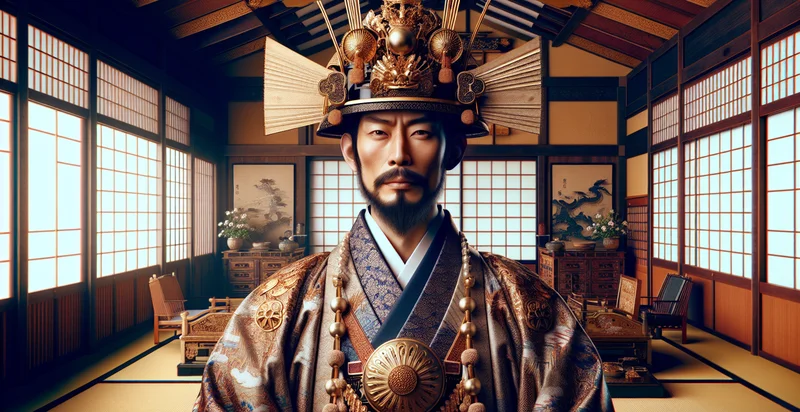
Create a free account to:
Get instant API credentials
Start calling the API immediately with your own keys
Track accuracy on your data
See real-time performance metrics and understand how well the model works for your specific use case
Discover better models for your data
Get recommendations for specialist models trained on your examples that are more accurate and cost-effective
How this classifier works
To start, upload your image. Our AI tool will then predict the identity of the Japanese emperor in the image.
This pretrained image model uses a Nyckel-created dataset and has 11 labels, including Akihito, Austin, Heisei, Hirohito, Kamehameha, Meiji, Naruhito, Reiwa, Shōwa and Taisho.
We'll also show a confidence score (the higher the number, the more confident the AI model is around the identity of the Japanese emperor in the image).
Whether you're just curious or building japanese emperor by picture detection into your application, we hope our classifier proves helpful.
Related Classifiers

Need to identify japanese emperor by picture at scale?
Get API or Zapier access to this classifier for free. It's perfect for:
- Cultural Heritage Protection: This function can be utilized by museums and cultural institutions to ensure the accurate representation of Japanese emperors in exhibits. By verifying the authenticity of images, organizations can maintain historical integrity and educate the public about Japan's imperial lineage.
- Media Verification: News organizations can employ this identifier to fact-check images before publication, ensuring that images claimed to be of a Japanese emperor are accurate. This reduces the risk of misinformation and enhances the credibility of the outlet.
- Social Media Monitoring: Social media platforms can integrate this function to flag or remove misleading posts that falsely identify figures as Japanese emperors. This helps in curbing the spread of fake news and promotes a more informed user base.
- Academic Research: Researchers studying Japanese history or cultural studies can use this classification function to validate images included in their studies. This ensures that their research papers and presentations are based on verified and authentic visuals, enhancing the quality of their work.
- Digital Archiving: Digital archival services can implement this function to categorize and authenticate images in their collections. By identifying legitimate depictions of Japanese emperors, these services can enhance their metadata, making it easier for researchers and historians to find accurate representations.
- E-commerce Authenticity: Online marketplaces can utilize the identifier to verify listings claiming to sell genuine artifacts related to Japanese emperors. This builds trust with buyers, as they are assured of receiving legitimate historical items rather than forgeries.
- Tourism Promotion: Travel and tourism agencies can leverage this function to enhance promotional materials about Japan's cultural sites and monuments. By ensuring that images accurately represent historical figures, agencies can provide tourists with authentic and informative content, enriching their travel experience.