Identify if qr code is properly sized
using AI
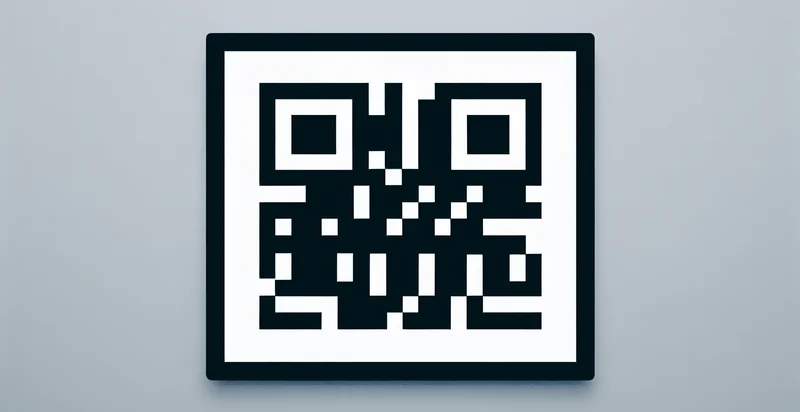
Below is a free classifier to identify if qr code is properly sized. Just upload your image, and our AI will predict if the QR code is properly sized - in just seconds.
Create a free account to:
Get instant API credentials
Start calling the API immediately with your own keys
Track accuracy on your data
See real-time performance metrics and understand how well the model works for your specific use case
Discover better models for your data
Get recommendations for specialist models trained on your examples that are more accurate and cost-effective
How this classifier works
To start, upload your image. Our AI tool will then predict if the QR code is properly sized.
This pretrained image model uses a Nyckel-created dataset and has 2 labels, including Improper Size and Proper Size.
We'll also show a confidence score (the higher the number, the more confident the AI model is around if the QR code is properly sized).
Whether you're just curious or building if qr code is properly sized detection into your application, we hope our classifier proves helpful.
Related Classifiers

Need to identify if qr code is properly sized at scale?
Get API or Zapier access to this classifier for free. It's perfect for:
- Quality Control in Manufacturing: In manufacturing environments where QR codes are printed on products or packaging, this function can check if the QR codes are properly sized. This ensures that the codes can be scanned easily, leading to fewer production defects and enhancing efficiency in inventory management.
- Retail Checkout Optimization: Retailers can implement this image classification function at checkout stations to verify that the QR codes on items are correctly sized before scanning. This reduces waiting times for customers and minimizes errors during transactions, ultimately improving customer satisfaction.
- Event Management: At events where attendees use QR codes for check-in, this function can validate the size of the codes on tickets or badges. Ensuring the QR codes are properly sized helps streamline the entry process and reduces rejection rates at scanning devices, facilitating a smoother event experience.
- Logistics and Shipment Tracking: Logistic companies can utilize this functionality to confirm that QR codes on shipping labels maintain the appropriate size throughout the shipping process. This helps in avoiding delays caused by unreadable codes, ensuring timely deliveries and maintaining accurate tracking information.
- Mobile Application Integration: Mobile apps leveraging QR code scanning for promotions or information can incorporate this feature to assess the codes’ size before scanning attempts. This could minimize user frustration by providing feedback when codes are improperly sized, guiding users to correct placements or formats.
- Digital Marketing Campaigns: In marketing campaigns that use QR codes on printed materials (like flyers or banners), this function can ensure that the codes are optimized for scanning. When marketers confirm proper sizing, they can track engagement more effectively, leading to better analysis and refinement of future campaigns.
- Food Safety Compliance: In the food industry, where QR codes are used for tracing product origins or providing information about allergens, this function can help verify the sizing of the labels. Ensuring that these codes are adequately sized guarantees that they can be easily scanned by both consumers and compliance inspectors, improving food safety practices.