Identify if metal duct is rusted
using AI
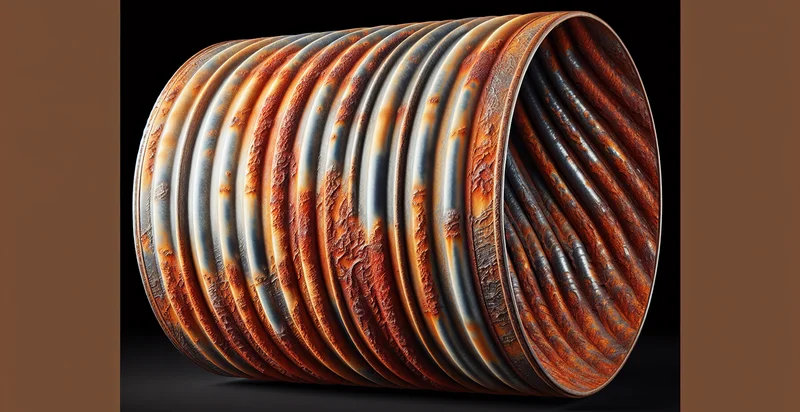
Below is a free classifier to identify if metal duct is rusted. Just upload your image, and our AI will predict if the metal duct is rusted - in just seconds.
Create a free account to:
Get instant API credentials
Start calling the API immediately with your own keys
Track accuracy on your data
See real-time performance metrics and understand how well the model works for your specific use case
Discover better models for your data
Get recommendations for specialist models trained on your examples that are more accurate and cost-effective
Add this classifier to your console
Clone if metal duct is rusted into your project — then invoke it, track accuracy on your own data, and improve it.
Clone to your console →How this classifier works
To start, upload your image. Our AI tool will then predict if the metal duct is rusted.
This pretrained image model uses a Nyckel-created dataset and has 2 labels, including Not Rusted and Rusted.
We'll also show a confidence score (the higher the number, the more confident the AI model is around if the metal duct is rusted).
Whether you're just curious or building if metal duct is rusted detection into your application, we hope our classifier proves helpful.
Related Classifiers

Need to identify if metal duct is rusted at scale?
Get API or Zapier access to this classifier for free. It's perfect for:
- Preventive Maintenance Scheduling: The rust identification function can be integrated into maintenance management systems to automatically flag rusted ducts. This allows facilities to schedule timely inspections and repairs, reducing unexpected breakdowns and prolonging equipment lifespan.
- Safety Compliance Monitoring: In industries where safety is paramount, this functionality can be used to ensure that metal ducts meet regulatory standards. By identifying rust, organizations can take corrective measures to comply with safety regulations and minimize the risk of accidents.
- Inventory Management for Replacement Parts: By identifying rusted ducts, businesses can better manage their inventory for replacement parts. This ensures that necessary materials are in stock and ready for swift replacements, minimizing downtime caused by rust-related failures.
- Inspection Automation: The rust identification function can be deployed on drones or robotic systems for automated inspections of hard-to-reach areas. This increases inspection efficiency and accuracy, allowing for regular monitoring without extensive manual labor.
- Cost Estimation for Repairs: By using the function to identify rusted sections of ducts, companies can generate accurate cost estimates for repairs. This information can be valuable during budgeting processes and in securing appropriate funding for maintenance activities.
- Asset Lifecycle Management: The solution can contribute to a more informed lifecycle management strategy by analyzing the rate of rusting across different ducts. This data helps organizations prioritize investments in maintenance or upgrades and plan for replacements at optimal times.
- Reporting and Analytics: Utilizing the rust identification as a data point creates opportunities for advanced analytics and reporting. Companies can analyze trends over time, improving their understanding of environmental impacts on duct systems and facilitating strategic decision-making.