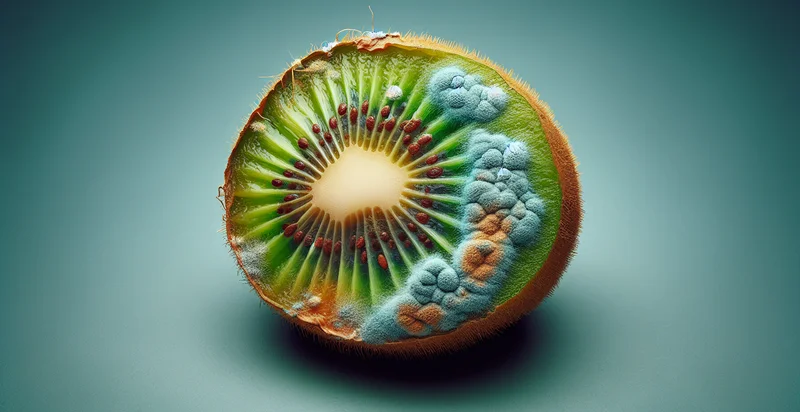
Identify if kiwi is moldy
using AI
Below is a free classifier to identify if kiwi is moldy. Just upload your image, and our AI will predict if the kiwi is moldy - in just seconds.
Create a free account to:
Get instant API credentials
Start calling the API immediately with your own keys
Track accuracy on your data
See real-time performance metrics and understand how well the model works for your specific use case
Discover better models for your data
Get recommendations for specialist models trained on your examples that are more accurate and cost-effective
How this classifier works
To start, upload your image. Our AI tool will then predict if the kiwi is moldy.
This pretrained image model uses a Nyckel-created dataset and has 2 labels, including Kiwi Is Moldy and Kiwi Is Not Moldy.
We'll also show a confidence score (the higher the number, the more confident the AI model is around if the kiwi is moldy).
Whether you're just curious or building if kiwi is moldy detection into your application, we hope our classifier proves helpful.
Related Classifiers
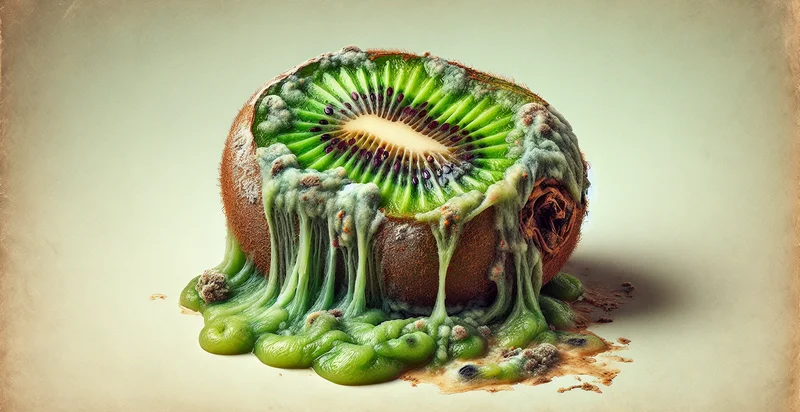
Need to identify if kiwi is moldy at scale?
Get API or Zapier access to this classifier for free. It's perfect for:
- Quality Control in Food Production: The 'if kiwi is moldy' identifier can be integrated into quality control systems in fruit processing plants. This function will automatically detect and flag moldy kiwis in real-time, ensuring that only high-quality produce reaches consumers and reducing waste.
- Inventory Management for Grocery Stores: Grocery retailers can use this classification function to monitor the freshness of their stock. By quickly identifying moldy kiwis, stores can make informed decisions about restocking or removing produce from shelves, ultimately enhancing customer satisfaction.
- Supply Chain Optimization: Distributors can employ the mold detection feature to assess the quality of kiwis during transit. By identifying moldy fruits early, suppliers can minimize losses, optimize deliveries, and ensure that only fresh products reach retailers.
- Automated Inspection in Agriculture: Farmers can adopt this technology to assess their kiwi crops before harvest. By detecting mold at an early stage, they can take preventive measures, improve yield quality, and maintain their smart farming practices.
- Food Safety Compliance: Restaurants and food services can leverage this identification function to ensure compliance with food safety regulations. By routinely scanning and identifying moldy kiwis, they can uphold hygiene standards and protect their customers' health.
- Consumer Quality Verification: Smartphone apps could integrate this function, allowing consumers to check their purchased kiwis for mold. This empowers consumers to make informed decisions and reduces the risk of consuming spoiled products.
- Research and Development in Horticulture: Agricultural researchers can utilize this mold detection feature to study kiwi preservation methods. By analyzing how different storage conditions affect mold growth, they can innovate ways to increase the shelf life and freshness of kiwis.