Identify if chain is rusted
using AI
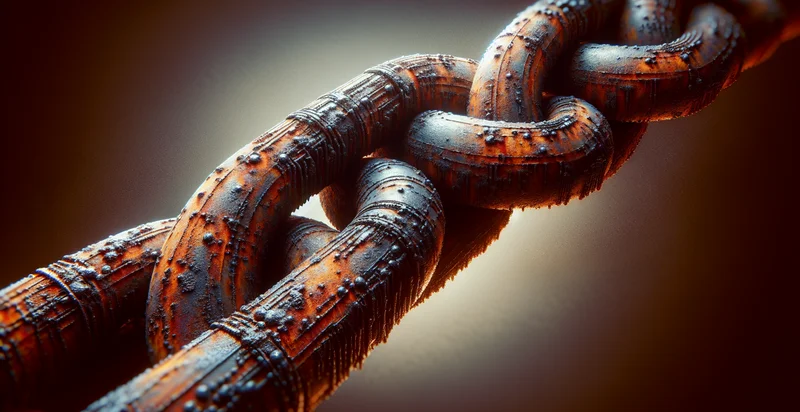
Below is a free classifier to identify if chain is rusted. Just upload your image, and our AI will predict if the chain is rusted - in just seconds.
Create a free account to:
Get instant API credentials
Start calling the API immediately with your own keys
Track accuracy on your data
See real-time performance metrics and understand how well the model works for your specific use case
Discover better models for your data
Get recommendations for specialist models trained on your examples that are more accurate and cost-effective
Add this classifier to your console
Clone if chain is rusted into your project — then invoke it, track accuracy on your own data, and improve it.
Clone to your console →How this classifier works
To start, upload your image. Our AI tool will then predict if the chain is rusted.
This pretrained image model uses a Nyckel-created dataset and has 2 labels, including Not Rusted and Rusted.
We'll also show a confidence score (the higher the number, the more confident the AI model is around if the chain is rusted).
Whether you're just curious or building if chain is rusted detection into your application, we hope our classifier proves helpful.
Related Classifiers
Need to identify if chain is rusted at scale?
Get API or Zapier access to this classifier for free. It's perfect for:
- Predictive Maintenance: The rust detection feature can be integrated into manufacturing equipment monitoring systems to predict when a chain needs maintenance or replacement. By identifying rusted chains early, companies can prevent equipment failures and reduce downtime.
- Quality Control in Production: In assembly lines where chains are used, this classification function can be employed during quality control inspections. Automated monitoring systems can flag rusted chains, ensuring only high-quality components proceed through the production process.
- Inventory Management: Retailers can use the rust identification function to assess the condition of chains in stock. By accurately identifying rusted chains, businesses can optimize inventory turnover and improve product quality on shelves.
- Supply Chain Risk Assessment: Companies can implement this function in their supply chain management systems to assess the condition of chains received from suppliers. Identifying rusted chains can help businesses evaluate supplier reliability and ensure acceptance of only high-quality materials.
- Fleet Maintenance Optimization: For organizations that rely on chains in vehicles or machines, this detection function can help with proactive fleet maintenance schedules. Identifying rusted chains indicates when specific vehicles or machinery require servicing, enhancing overall operational efficiency.
- Safety Compliance: Industries where rusty chains pose safety hazards can use this classification function to ensure compliance with safety regulations. Regular inspections using the rust detection system can help uphold safety standards and protect employees from potential accidents.
- Remanufacturing Processes: In remanufacturing settings, identifying rusted chains is crucial for determining whether components can be salvaged or need to be replaced. This feature helps streamline the remanufacturing process, minimizing waste and ensuring high-quality finished products.