Identify if alterations are visible
using AI
Below is a free classifier to identify if alterations are visible. Just upload your image, and our AI will predict if alterations are visible - in just seconds.

Create a free account to:
Get instant API credentials
Start calling the API immediately with your own keys
Track accuracy on your data
See real-time performance metrics and understand how well the model works for your specific use case
Discover better models for your data
Get recommendations for specialist models trained on your examples that are more accurate and cost-effective
How this classifier works
To start, upload your image. Our AI tool will then predict if alterations are visible.
This pretrained image model uses a Nyckel-created dataset and has 2 labels, including Invisible and Visible.
We'll also show a confidence score (the higher the number, the more confident the AI model is around if alterations are visible).
Whether you're just curious or building if alterations are visible detection into your application, we hope our classifier proves helpful.
Related Classifiers
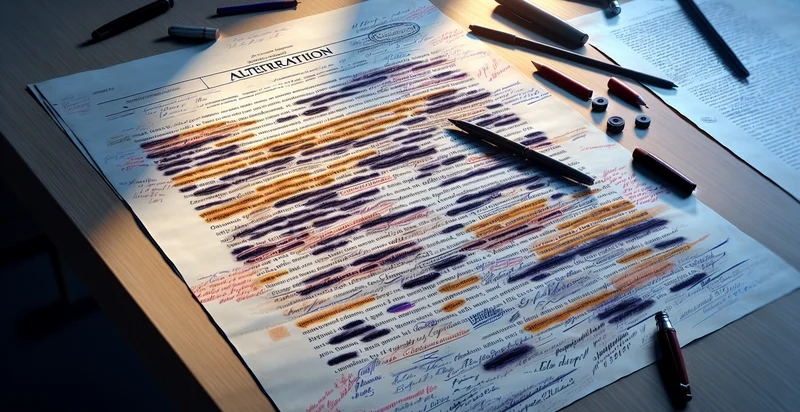


Need to identify if alterations are visible at scale?
Get API or Zapier access to this classifier for free. It's perfect for:
- Quality Control in Manufacturing: This use case involves inspecting products during the manufacturing process to identify any visible alterations that deviate from quality standards. Automated image classification can help ensure products meet predefined specifications, reducing defects and improving overall product quality.
- Art Authentication: Galleries and collectors can utilize this function to verify the authenticity of artworks by detecting any alterations made to the piece. By analyzing images for signs of restoration or forgery, stakeholders can make informed decisions regarding the value and provenance of art pieces.
- Real Estate Inspection: Real estate professionals can apply this technology to assess properties for any visible alterations or damages before transactions. By evaluating property images, agents can better advise clients, ensuring transparency and potentially enhancing negotiation leverage.
- E-commerce Product Verification: Online retailers can use this identifier to ensure that product images are authentic and unaltered. This function can help in reducing cases of misleading product representations, thus improving customer trust and satisfaction.
- Fashion Industry Regulation: Fashion brands can implement this image classification to monitor compliance with advertising regulations, confirming that promotional images accurately reflect the products being sold. This can help brands avoid legal issues and maintain consumer trust.
- Insurance Claims Assessment: Insurance companies can leverage this technology to evaluate claims related to property damages or alterations. By determining whether any visible alterations have occurred, insurers can make more accurate assessments and streamline the claims process.
- Digital Document Verification: Organizations can utilize this function to assess the integrity of digital documents by identifying any visible alterations. This can be particularly useful in legal and financial sectors, where document authenticity is crucial for compliance and risk management.