Identify document condition
using AI
Below is a free classifier to identify document condition. Just upload your image, and our AI will predict the condition of the document. - in just seconds.

Create a free account to:
Get instant API credentials
Start calling the API immediately with your own keys
Track accuracy on your data
See real-time performance metrics and understand how well the model works for your specific use case
Discover better models for your data
Get recommendations for specialist models trained on your examples that are more accurate and cost-effective
How this classifier works
To start, upload your image. Our AI tool will then predict the condition of the document..
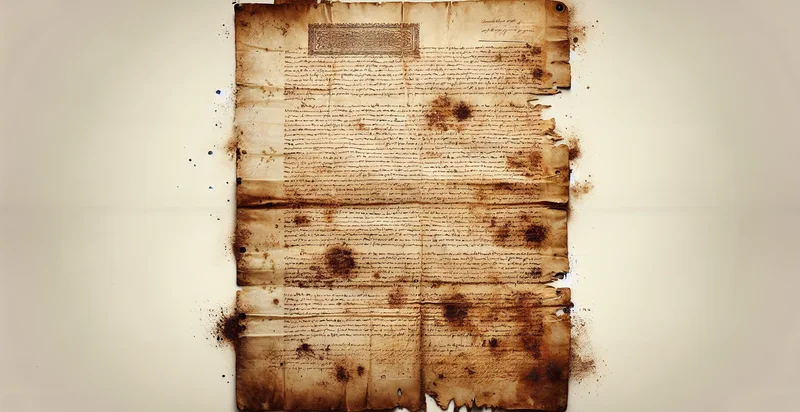
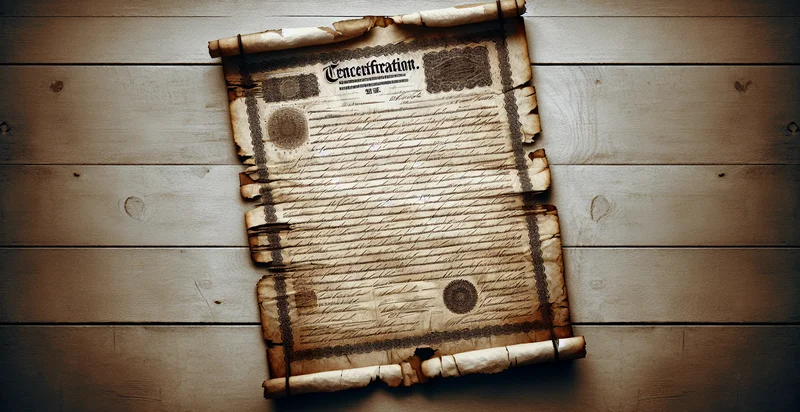
This pretrained image model uses a Nyckel-created dataset and has 10 labels, including Acceptable, Damaged, Excellent, Extremely Damaged, Fair, Good, Poor, Pristine, Uncategorized and Unreadable.
We'll also show a confidence score (the higher the number, the more confident the AI model is around the condition of the document.).
Whether you're just curious or building document condition detection into your application, we hope our classifier proves helpful.
Related Classifiers

Need to identify document condition at scale?
Get API or Zapier access to this classifier for free. It's perfect for:
- Document Quality Assessment: This function can be utilized by document management systems to automatically categorize documents based on their physical condition, such as new, worn, or damaged. This will help organizations prioritize the preservation or restoration of crucial documents.
- Archival Selection: Libraries and archives can use the document condition identifier to evaluate the state of a collection before digitization. By identifying documents that are in poor condition, resources can be allocated more effectively towards preservation techniques.
- Insurance Claims Processing: Insurance companies can implement this function to assess the condition of submitted documents when evaluating claims. This can expedite the review process and help identify potentially fraudulent claims related to document damage.
- Compliance Monitoring: Regulatory bodies can employ this function to ensure that important documents maintained by businesses comply with specified conditions. This adds an additional layer of oversight by identifying documents that may need to be updated or replaced due to deterioration.
- Digital Repository Management: Organizations with digital repositories can use the document condition identifier to track the physical condition of documents that are digitally stored. This will assist in planning maintenance or necessary updates to ensure long-term preservation of the originals.
- Legal Document Review: Law firms can leverage this function during document audits to evaluate the condition of legal documents. This ensures that all pertinent records are preserved in good condition and facilitates more efficient case preparation.
- Educational Resource Evaluation: Educational institutions can utilize the document condition identifier to assess the condition of textbooks and reading materials in libraries. This can help prioritize replacement or repair, ensuring that students have access to high-quality educational resources.